Get Hardwood Replacement
Hardwood Replacement services help property owners fix or replace damaged, worn, or outdated hardwood floors in various renovation or repair projects.
Property owners considering hardwood replacement often explore options to enhance the appearance and value of their spaces. Whether updating aging flooring, repairing damage, or preparing a property for sale, choosing the right service provider can make a significant difference. This process involves planning the scope of work, selecting suitable materials, and comparing local contractors to find the best fit for specific project needs.
By exploring available local contractors, property owners can access a range of expertise and services tailored to hardwood replacement projects. This approach allows for informed decision-making and helps ensure the work aligns with individual preferences and property requirements. Continued reading can provide insights into how to identify qualified service providers and make well-informed choices for hardwood flooring upgrades.
- Hardwood Replacement - when existing flooring has sustained damage or excessive wear that needs to be addressed.
- Hardwood Replacement - in cases where outdated or mismatched flooring requires updating for a cohesive look.
- Hardwood Replacement - if moisture or structural issues have caused hardwood floors to warp or buckle.
- Hardwood Replacement - when remodeling projects call for new flooring to match a redesigned interior.
- Hardwood Replacement - to restore the appearance and functionality of flooring after water or fire damage.
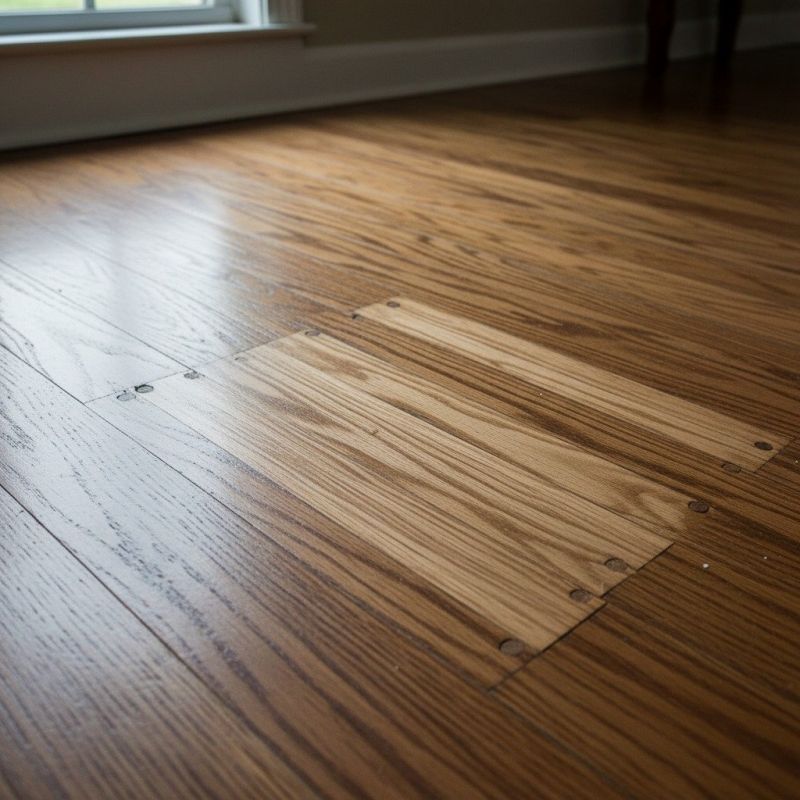
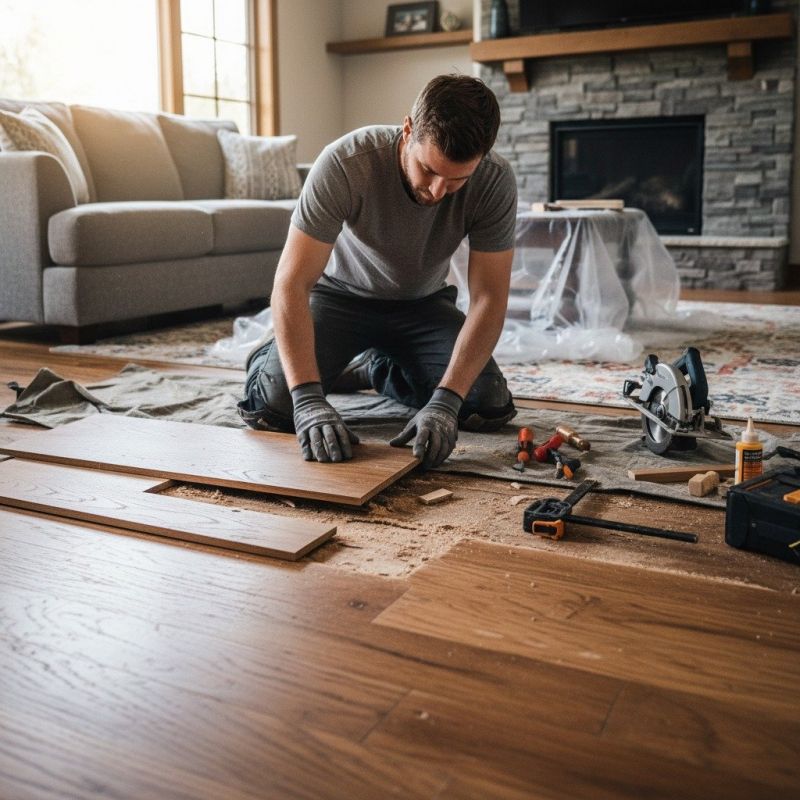
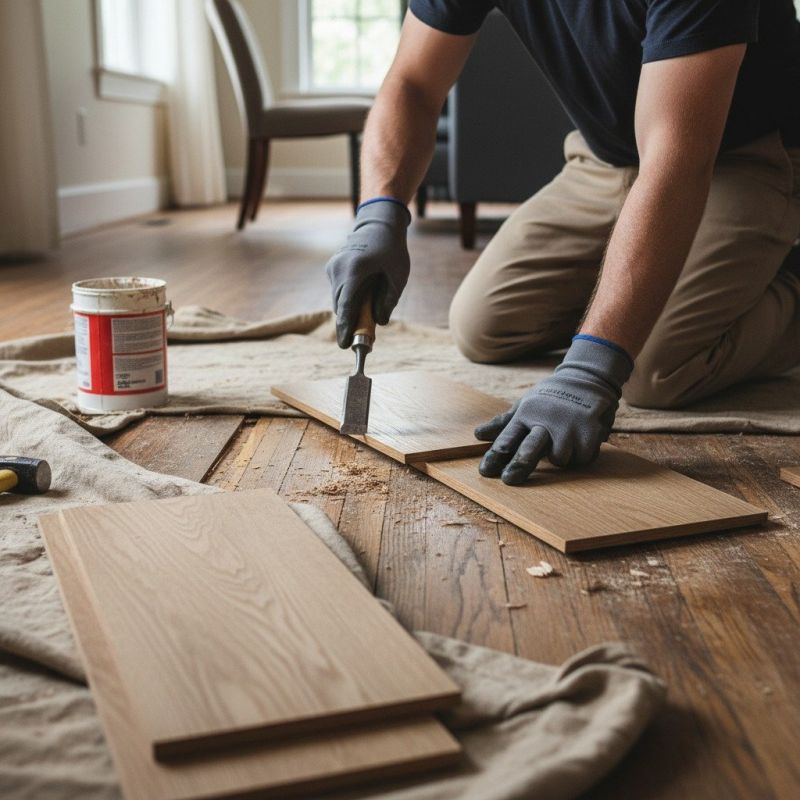
Hardwood replacement services involve removing damaged, worn, or outdated hardwood flooring and installing new planks to restore the appearance and functionality of a floor. This process typically includes carefully removing the existing flooring, preparing the subfloor, and laying down fresh hardwood that matches the style and finish of the surrounding area. Skilled service providers can handle various types of hardwood, including oak, maple, cherry, and more, ensuring a seamless integration with the existing flooring or a complete upgrade to a new look.
This service helps address common problems such as deep scratches, stains, warping, buckling, or sections of flooring that have become loose or hollow. Over time, hardwood floors can suffer from wear and tear due to foot traffic, pet activity, or moisture issues, which can compromise their appearance and safety. Replacing damaged sections or entire floors can improve the aesthetic appeal of a space, prevent further deterioration, and enhance the overall value of the property.
Hardwood replacement is often sought after for residential properties, including single-family homes, townhouses, and condominiums. It is also used in commercial spaces like retail stores, office buildings, and hospitality venues where durable, attractive flooring is essential. Property owners typically consider replacement when existing floors are beyond simple repairs or refinishing, or when they want to update their interior design with a different wood type or finish.
Homeowners usually turn to hardwood replacement services when their current floors show signs of extensive damage, uneven surfaces, or outdated styles that no longer match their décor. It can also be a practical choice after water damage, significant wear, or structural issues that cannot be resolved through minor repairs. Local contractors specializing in hardwood replacement can evaluate the condition of existing flooring and recommend the best options to restore or enhance the look and functionality of the space.
The overview below groups typical Hardwood Replacement projects into broad ranges so you can see how smaller, mid-sized, and larger jobs often compare in your area.
In many markets, a large share of routine jobs stays in the lower and middle ranges, while only a smaller percentage of projects moves into the highest bands when the work is more complex or site conditions are harder than average.
Smaller Repairs - Typical costs for minor hardwood replacement projects usually range from $250 to $600. Many routine repairs fall within this middle range, depending on the extent of damage and material type.
Partial Replacement - Replacing larger sections of hardwood flooring can cost between $1,000 and $3,000. These projects often involve removing and installing multiple planks or sections, with costs varying based on size and material choice.
Full Floor Replacement - Complete hardwood floor replacements generally range from $5,000 to $15,000 or more. Larger, more complex projects can push costs higher, especially with premium materials or intricate layouts.
Luxury or Custom Installations - High-end hardwood replacements with custom finishes or exotic materials can exceed $20,000. While fewer projects fall into this tier, local contractors can provide estimates based on specific design and material preferences.
Actual totals will depend on details like access to the work area, the scope of the project, and the materials selected, so use these as general starting points rather than exact figures.
Flooring Installation - Local contractors who specialize in hardwood replacement often have experience installing various types of flooring, ensuring seamless integration with existing surfaces.
Subfloor Repair and Preparation - Proper subfloor repair and preparation are essential steps in hardwood replacement projects, requiring similar planning and skill sets as installing new flooring.
Interior Renovation Projects - General interior renovations often involve replacing or upgrading flooring materials, making the skills used in hardwood replacement applicable to these projects.
Custom Woodwork and Finishing - Skilled service providers may also handle custom woodwork, staining, and finishing, which are important for achieving a polished hardwood look.
Floor Leveling and Underlayment - Ensuring a flat, stable surface through leveling and underlayment is a common requirement shared with hardwood replacement work.
Demolition and Site Preparation - Removing old flooring and preparing the space for new installation involves demolition skills similar to those needed in hardwood replacement projects.
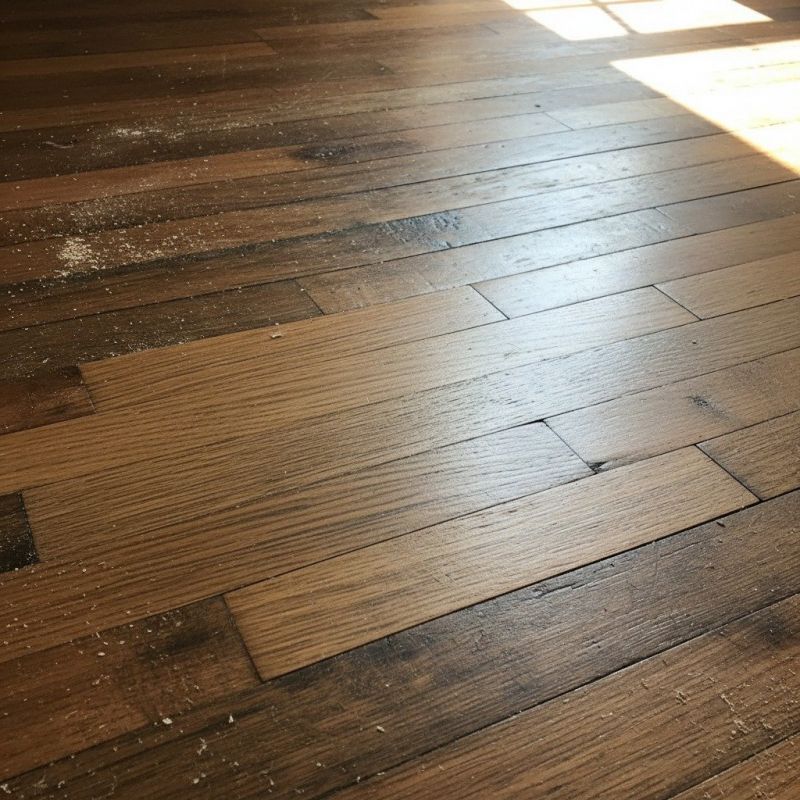
When comparing local contractors for hardwood replacement, it’s important to consider their experience with similar projects. Homeowners should look for service providers who have a proven track record of handling hardwood flooring replacements comparable in scope and style to the work needed. An experienced contractor is more likely to understand the nuances of different wood types, subfloor preparations, and installation techniques, which can contribute to a successful outcome. Asking for examples of past work or references from previous clients can provide insight into their familiarity with projects like yours, helping to ensure the chosen professional has relevant expertise.
Clear, written expectations are essential when evaluating local service providers. Homeowners should seek detailed proposals or estimates that outline the scope of work, materials to be used, and any key milestones or deliverables. Having this information in writing helps prevent misunderstandings and provides a reference point throughout the project. It’s also a good idea to clarify any questions about the process upfront, such as preparation steps, cleanup procedures, and warranty coverage, so that both parties have aligned expectations before work begins.
Reputable references and good communication are critical factors in selecting the right contractor. Local pros with solid reputations often have positive feedback from previous clients, which can be verified through references or reviews. Effective communication throughout the process-prompt responses to questions, transparent updates, and willingness to address concerns-can make the experience smoother and more predictable. Homeowners should prioritize service providers who demonstrate professionalism and clarity in their interactions, as these qualities often reflect their overall reliability and commitment to quality work.
Property owners use Hardwood Replacement services for practical projects around their homes and businesses. This guide focuses on everyday jobs and straightforward project options.
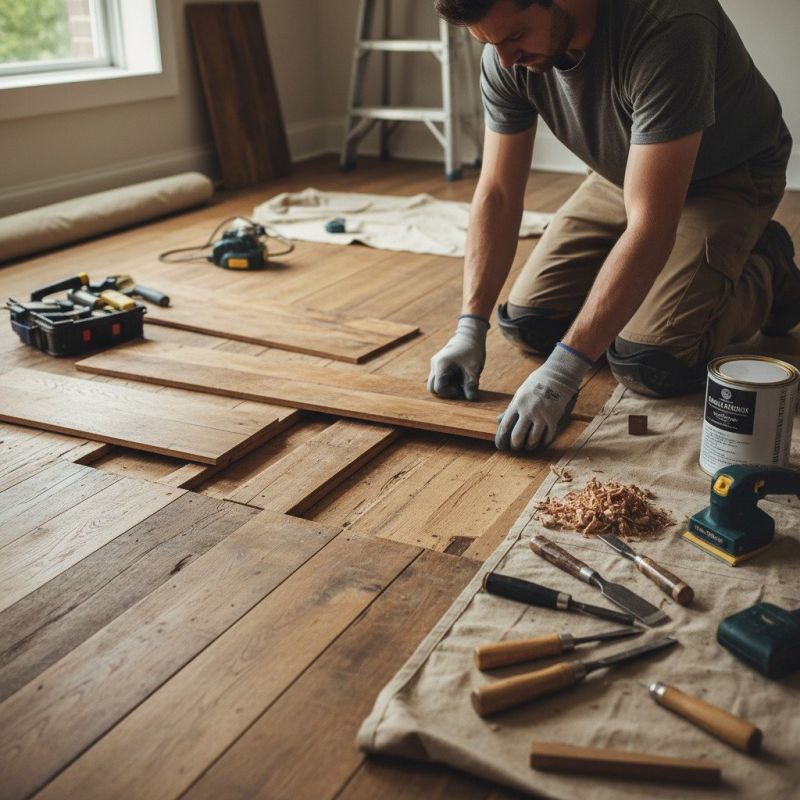
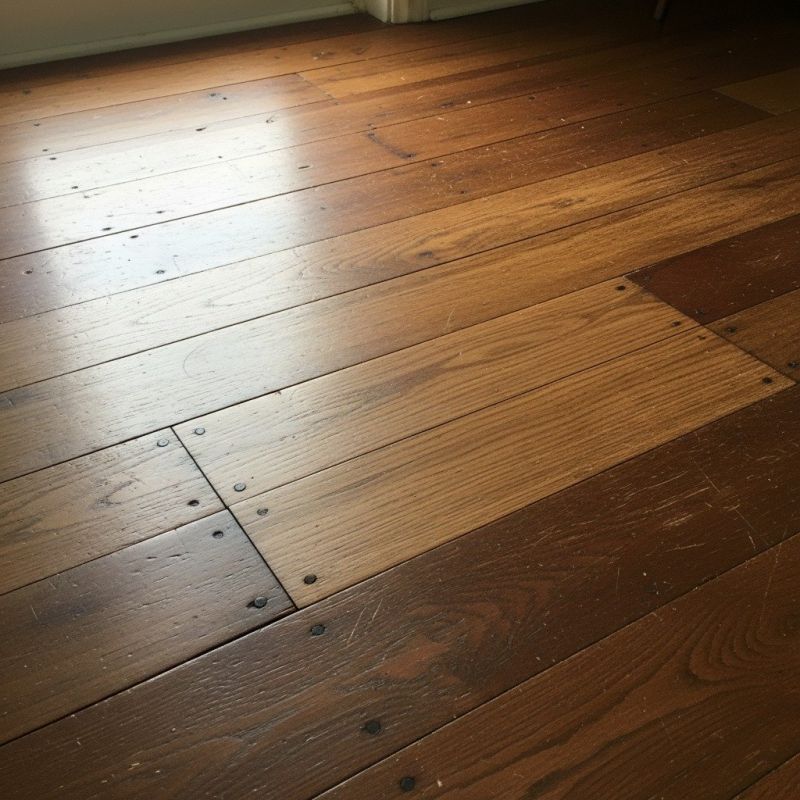
Hardwood replacement services are often needed when homeowners notice damaged, worn, or outdated flooring that no longer fits the look or functionality of their property. Common situations include water damage, scratches, or general wear and tear from daily use, prompting property owners to seek professional help to restore their floors. Local contractors can assess the condition of existing hardwoods and recommend suitable replacement options to improve the appearance and value of a home.
Property owners might also look for hardwood replacement when renovating or updating a space to match a new design style or increase property appeal. Whether upgrading from older, faded flooring or replacing boards that have become loose or warped, local service providers can handle these projects efficiently. They provide solutions tailored to individual needs, helping owners achieve a fresh, cohesive look throughout their homes or commercial spaces.
What types of hardwood flooring can be replaced? Local contractors can handle a variety of hardwood flooring types, including solid, engineered, and exotic options, to match existing flooring or install new styles.
How is hardwood flooring replacement typically performed? Service providers usually remove the old flooring carefully, prepare the subfloor, and install new hardwood planks to ensure a proper fit and finish.
Can hardwood replacement be done in specific areas like kitchens or basements? Yes, experienced local pros can replace hardwood flooring in various areas, considering the specific requirements of each space.
Is hardwood replacement suitable for damaged or worn flooring? Hardwood replacement is often recommended when flooring has significant damage, wear, or structural issues that cannot be repaired easily.
What should be considered before replacing hardwood floors? It's important to evaluate the existing subfloor condition, choose the right type of hardwood, and discuss installation options with local service providers.
Flooring Replacement Ideas - Property owners can explore replacing worn or damaged hardwood floors to refresh the look of living rooms or hallways. Local contractors can help assess the condition and suggest suitable replacement options.
Renovation and Remodel Projects - Homeowners planning a remodel can consider hardwood replacement to update the style or improve durability in kitchens, basements, or entryways. Local pros can provide guidance on materials and installation.
Damage Repair Solutions - In cases of water damage, scratches, or wear, property owners might seek hardwood replacement to restore the flooring’s appearance and functionality. Local service providers can handle the repair process efficiently.
New Construction Flooring - Builders and property developers can incorporate hardwood replacement services when installing new flooring in residential or commercial spaces to ensure quality and consistency. Local contractors are available to assist with these projects.
If you are thinking about Hardwood Replacement for a property, this guide is meant to help you understand the work, the typical project types, and how different options might fit your plans.
When you are ready, you can use the quote form on this page to share a few details about your project. From there, local pros can review the basics and respond with options that match what you have in mind.